Israel Museum and Yad Veshem

Two of the most awe-inspiring testaments to history I’ve ever been to are the Israel Museum and Yad Veshem, which is the Holocaust Memorial in the Jerusalem Forest.

The Israel Museum was just reopened this past summer after a major renovation and expansion.  It is a beautiful setting with a collection that is vast, from Israeli art to French masters.  There is, of course, a great deal on the history of Israel.  This is not just the recent history of the last 60 years. This includes artifacts found as much as a million years ago of inhabitants of the area.  I’ve seen antiquities before.  But nothing like this.  One of the most impressive exhibits are four synagogues moved into the museum whole and renovated.  Yes, entire synagogues.  Now these are not big ones.  They are from small towns where Jews left or were forced out.  Of course, the biggest draw of the museum is the Dead Sea Scrolls found some 50-60 years ago.  Seeing parchments dating back 2000 years ago is incredible.  I wish I had given it more time because there is so much to see.  They also give several free tours a day for the various exhibits.

You can’t take pictures in the museum but there are sculptures outside as well as a 1:25 scale of the Old City during the time of the Second Temple.
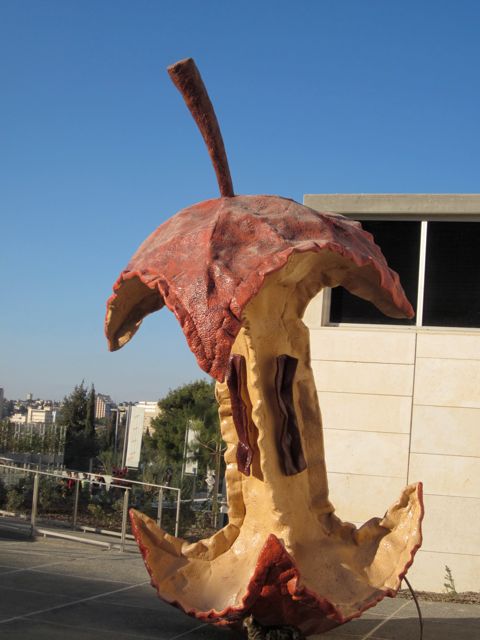
Hebrew version of the LOVE sculpture

Exhibit of the Dead Sea Scrolls

Miniature Jerusalem in the time of the Second Temple

Yad Veshem is another excursion that needs at least a full day.  More than a museum, it is a living memorial to the Holocaust, with gardens, sculptures, exhibits.  It takes hours just going through the Holocaust Museum, let alone the entire complex.  The setting in the Jerusalem Forest is beautiful and offers a serene setting needed to absorb it all.  Again, no matter your religion or lack of belief, one can’t help getting emotional at this place, the horror brought to a people simply for being born as they were born.  I’ve been to the Holocaust Museums in DC and LA, but to me what sets this apart is that it focuses on the individuals and their stories more than the other museums.  Entire exhibits of art by artists who survived the camps are on display and the horror that comes through these pieces are devastating.  In the Memorial Museum, a spectacular piece of architecture, entire streets are recreated with the actual cobblestones of the ghettos, rail tracks, and carts used to remove the dead.  And at the end is the Hall of Names–images of the victims who died and survived are on display with volumes and volumes of books containing their names, with the collection growing as more names come to light.

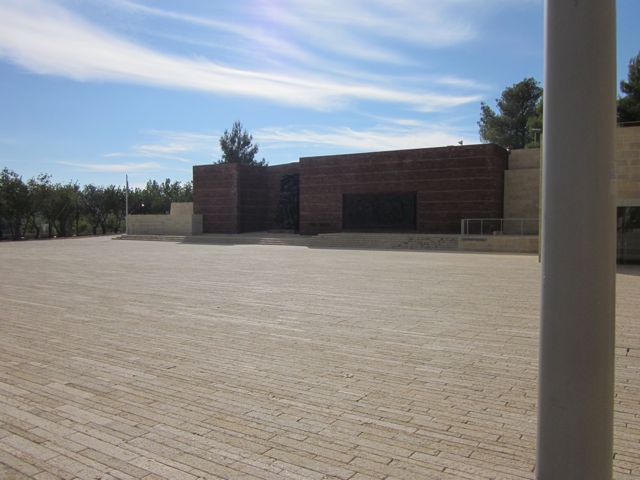
Entry to Yad Veshem

Visitors Center

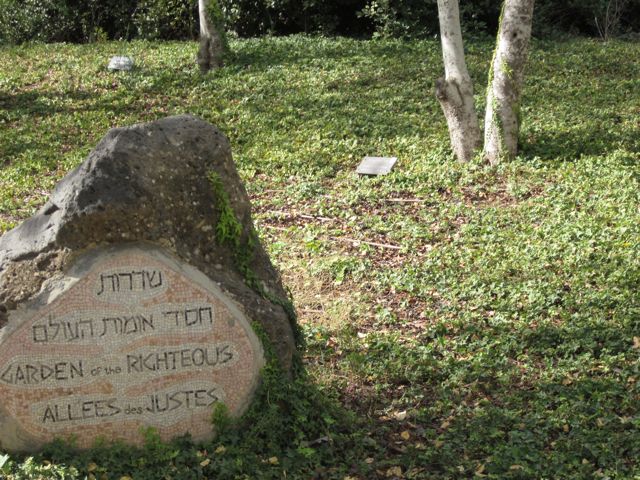
Garden

Warsaw Ghetto Square

View from the exit of the Memorial Museum

The Old City of Jerusalem

The Old City is the obvious top must-see in Jerusalem.  It is where the heart and soul of the city beats.  It’s divided into four quarters — the Jewish Quarter, the Christian Quarter, the Muslim Quarter and the Armenian Quarter, each with a distinct feel.

A word to the wise.  If you are traveling alone or even in a pair prepare to be bombarded with people trying to whisk you into their shop, give you a free tour and then whisk you into their shop, give you a free tour and invite you for a cup of tea by whisking you into their shop, tell you how much they love America and then whisk you into their shop.  Once they’ve whisked you into their shop, the hard sell begins.  It is exhausting.  If you hate this (and I do), go with a tour group.  There are free walking tours as well as paid excursions that take you around Jerusalem as well outside the Old City.  If you refuse to go into the shop, they try to get you in by saying they want to give you their card.  This occurs in three of the four Quarters.  The only Quarter where I didn’t experience any of this is in the Jewish Quarter.  It was like exhaling when I finally got past all this.  That aside, it’s really cool with all the little streets and alleys to imagine people living here centuries ago.  Despite the hard sell, it is worth seeing the bazaars as the sites and smells of spices, etc. are something to experience.  And whether you are religious or not, the sense of history and religious foundations and the fighting over this small plot of land, not just now but for thousands of years, really takes you somewhere like you’ve never imagined.

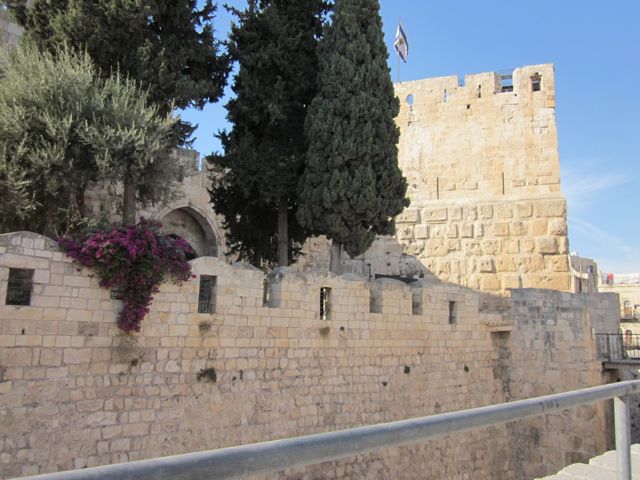
Tower of David

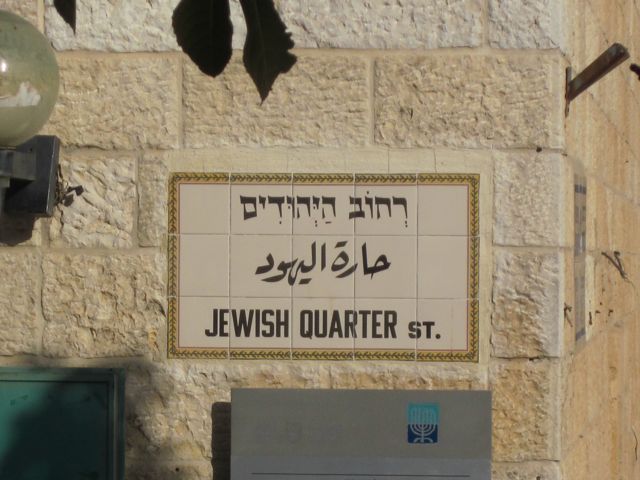
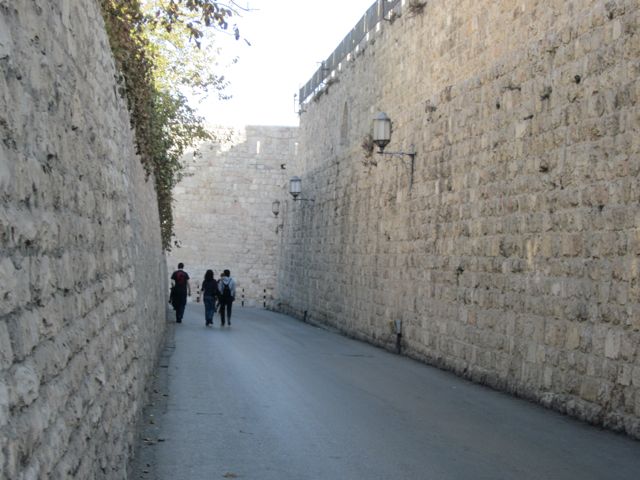
Walled street in the Jewish Quarter

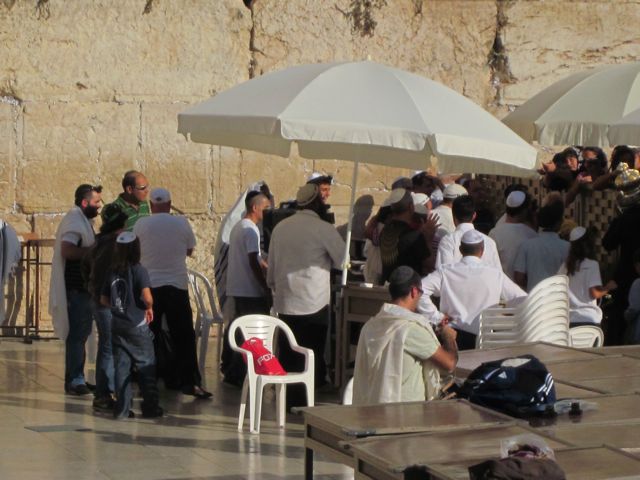
Bar Mitzvah at the Western Wall

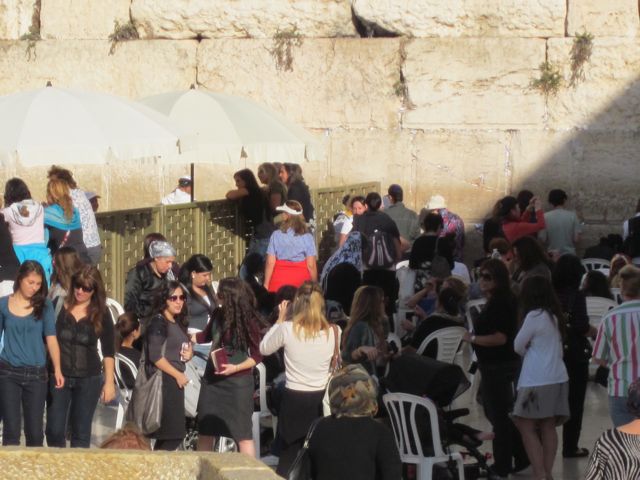
Women’s side of the Western Wall

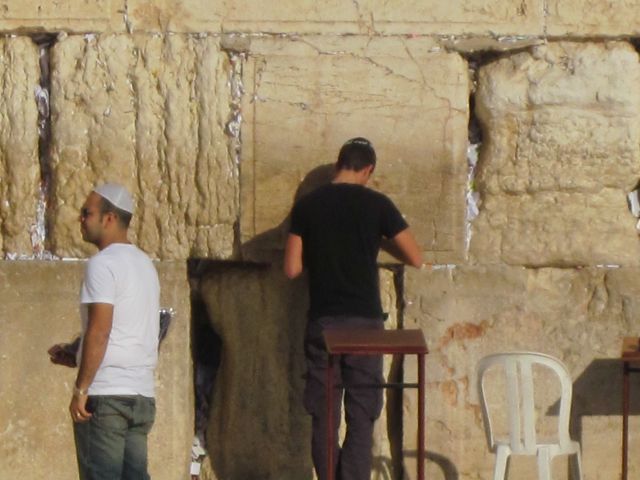
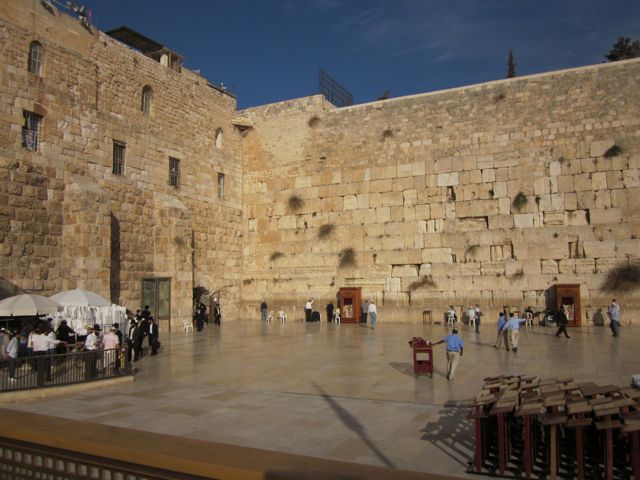
Western Wall

Western Wall

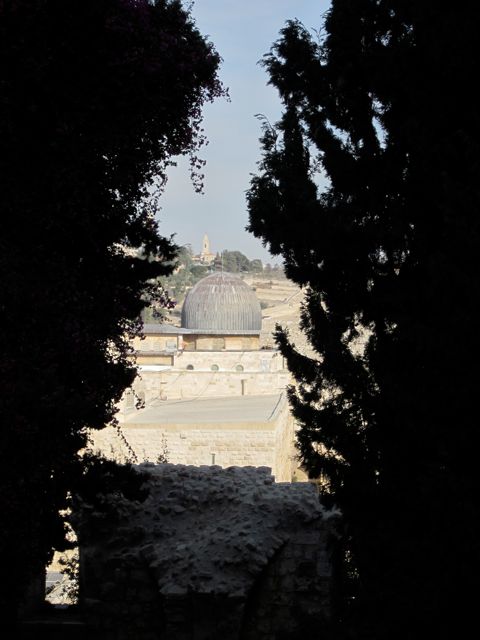
Al-Aqsa Mosque – oldest mosque outside Mecca.  

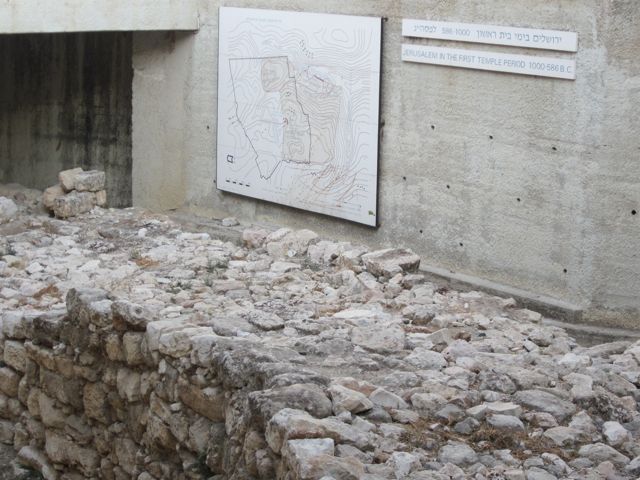
Wall from the First Temple Period
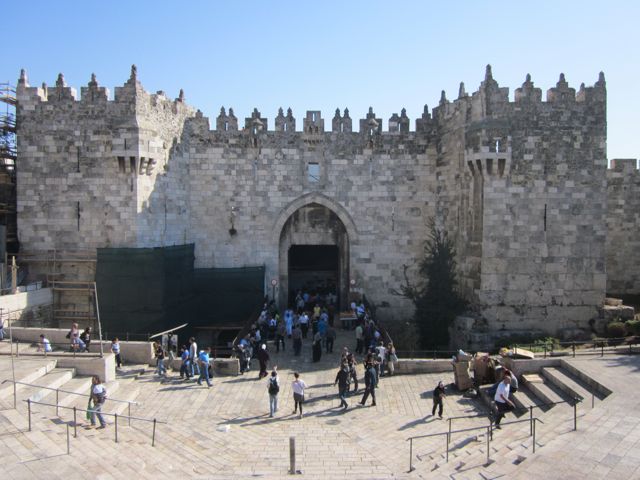
Damascus Gate

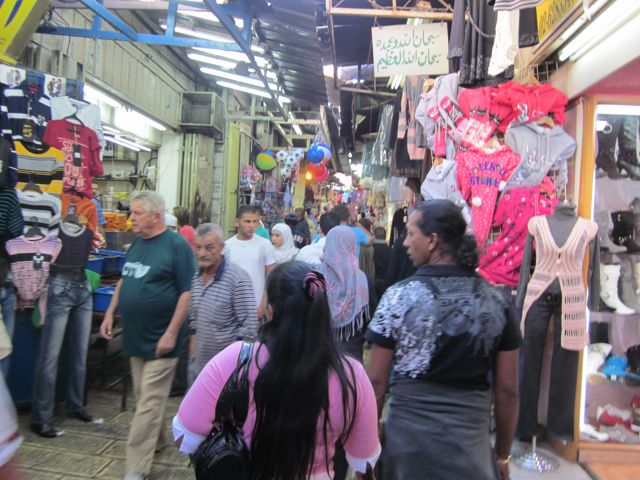
Bazaar

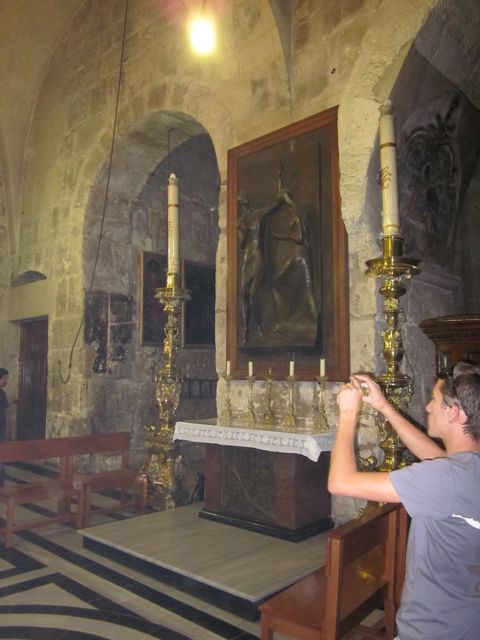
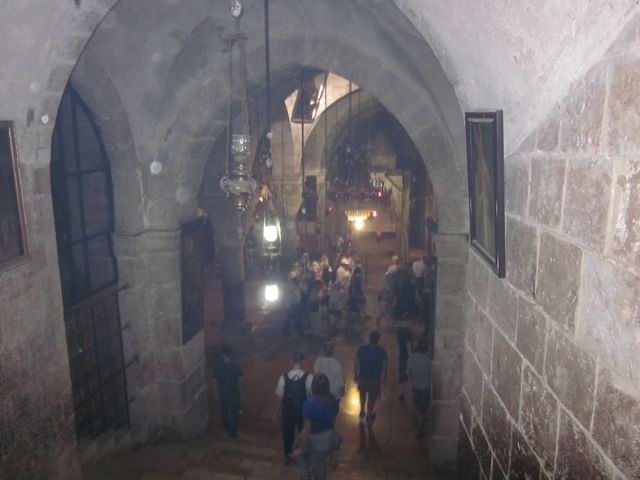
Church of the Holy Sepulchre – where Jesus is supposedly buried 
and where the resurrection is to occur

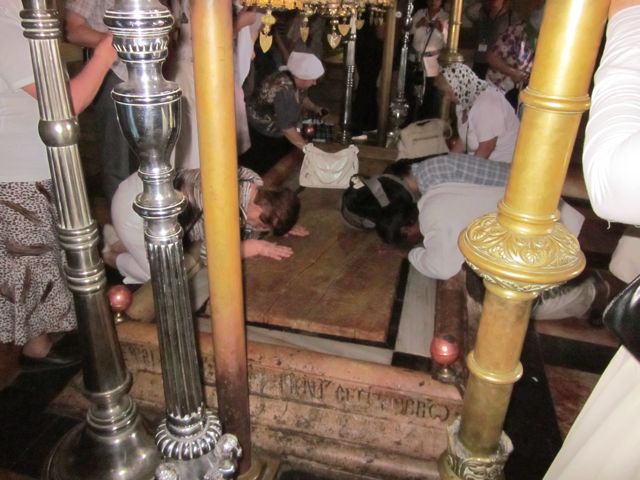
Stone of the Annointing – believed to be where Jesus was prepared for burial

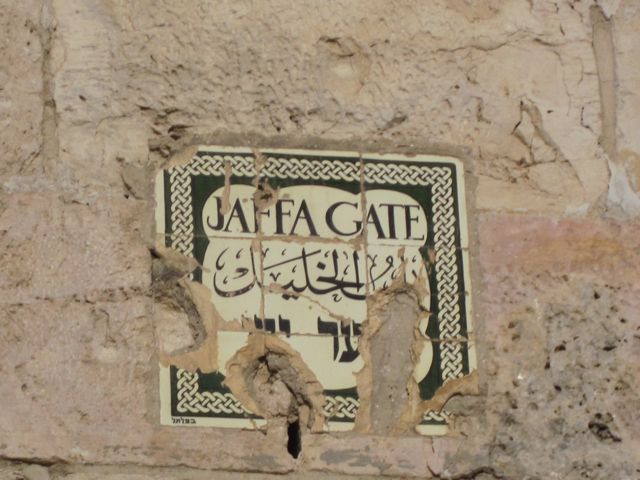
Jaffa Gate – one of 11 gates to the Old City, although only 7 are accessible

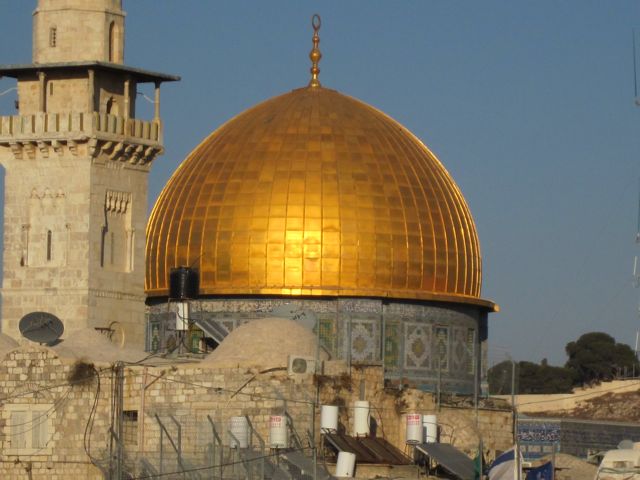
Dome of the Rock

Thanksgiving in Israel

While I have to catch up on my posts from Jerusalem, just want to wish everyone a Happy Thanksgiving.  Giving thanks in a country like Israel, where so many of the things we take for granted are cause for pause really makes you grateful for what we have.

I did get to have Thanksgiving dinner after all.  I spent the afternoon at bar/restaurant near the apartment called Mike’s Place (appropriate).  I wish I had found this place sooner as the people there are so amazingly friendly and nice.  I stayed and had dinner – Tomato Soup, Turkey, Stuffing…all the works.  Oh, and NFL football on the TVs to complete the mix.  If you ever get to Jerusalem (they have one in Tel Aviv too), stop by for a great time with great people.

Jerusalem

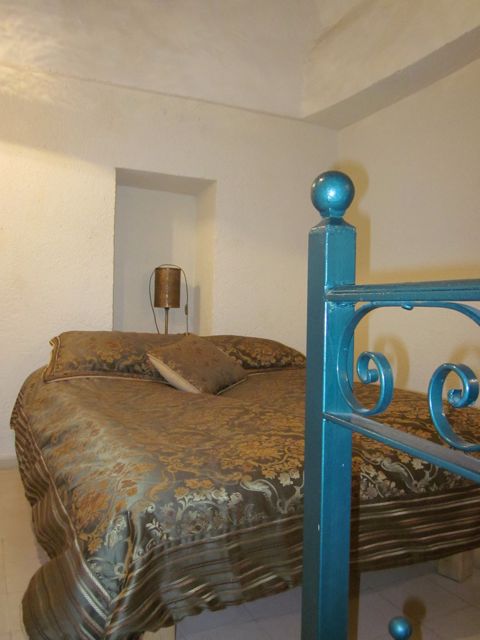
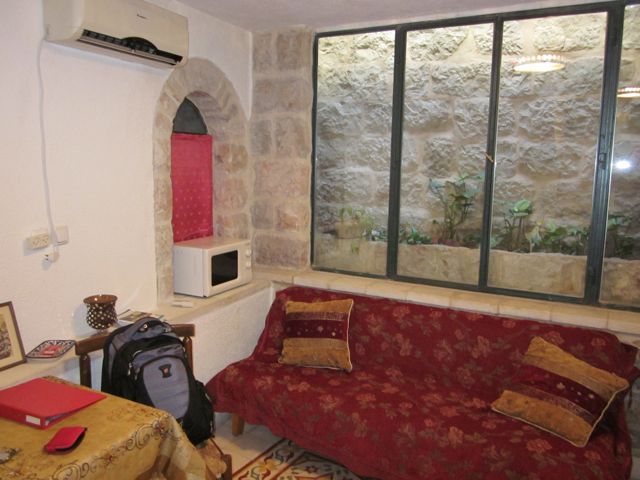
I arrived in Jerusalem on Friday afternoon just before the Sabbath.  If security was tight in Tel Aviv, it is even more so here.  I took the 480 bus from TA to Jerusalem, waiting in the long queue as several buses filled up before I got on.  Apparently, only a few weeks ago there was no snaking queue to get on the bus.  Just a free-for-all of people pushing their way on.  I think I’d have walked before dealing with that!  I arrived at the apartment I rented and I must say that while I’ve enjoyed renting apartments along the way, this one is by far the nicest.  It’s like a little cave with all the stone and thick archways.  It’s small, but so cozy.

I went to a market to get a few things before sundown and stayed in the apartment Friday night.  The streets were quickly growing quiet in the area as much of the city shuts down. I have to say, there is a bit of envy about the weekly ritual of the sabbath.  That people set aside everything, the stress of daily living, and join together with family is really a beautiful tradition (song cue?).  
About Town

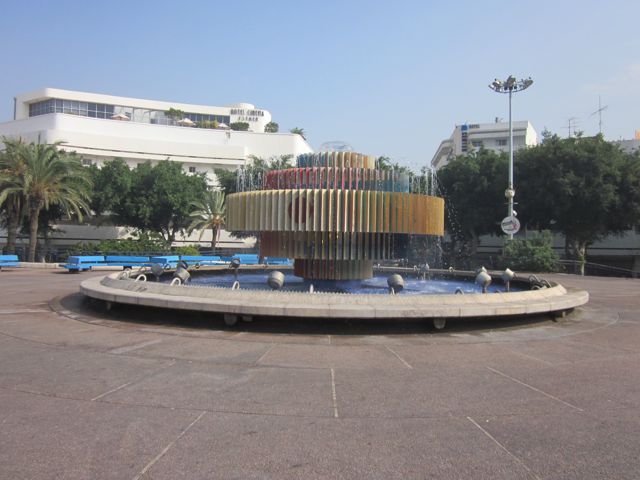
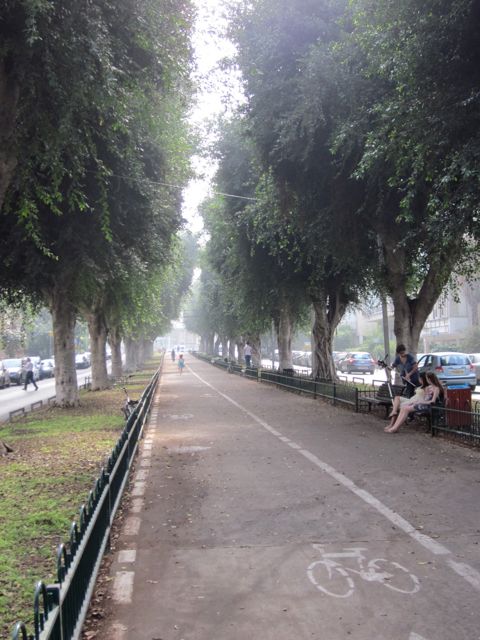
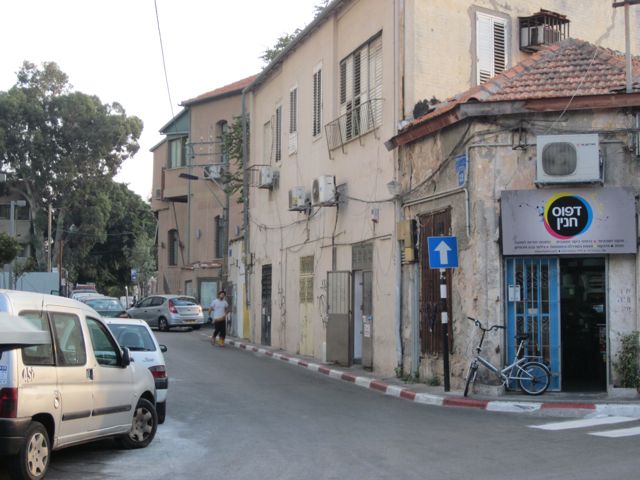
Here are some other shots taken around Tel Aviv…

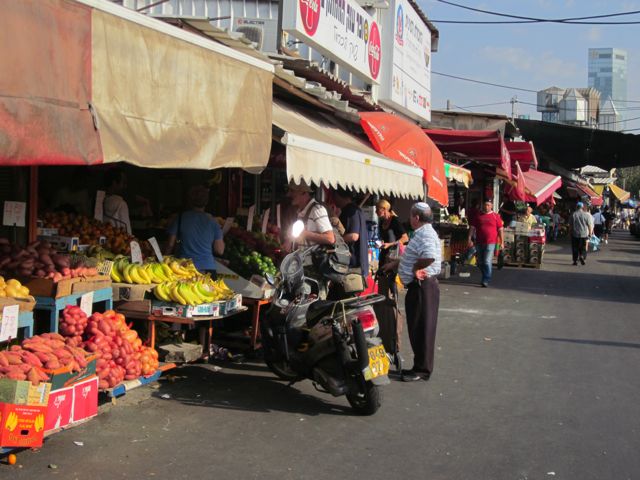
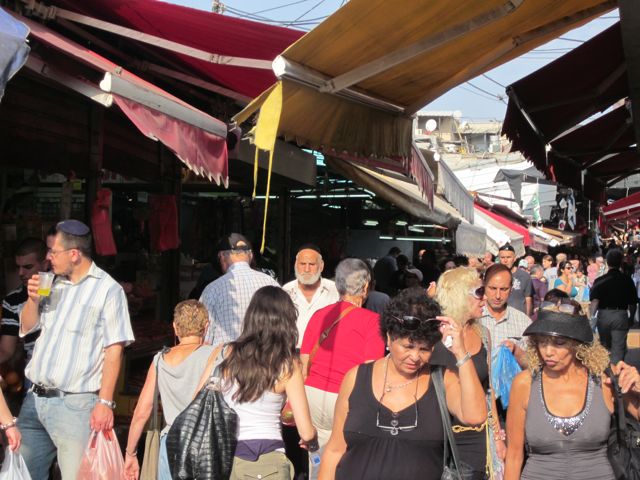
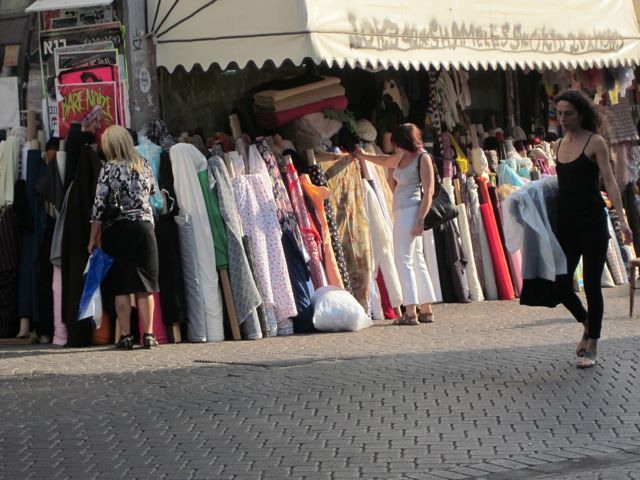
Carmel Market and area – huge outdoor market of fresh produce, meats, clothing, etc:

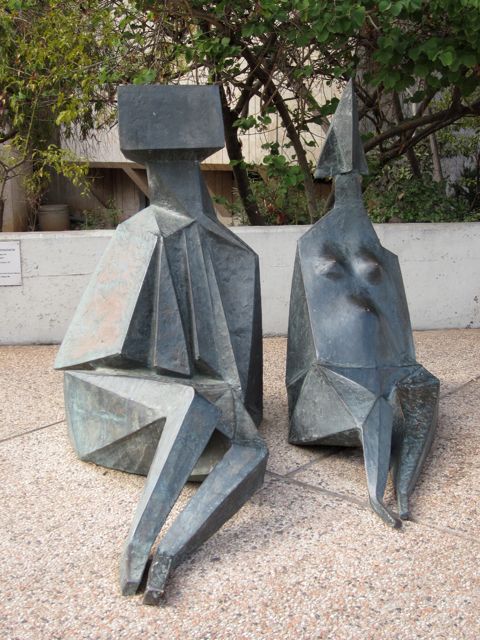
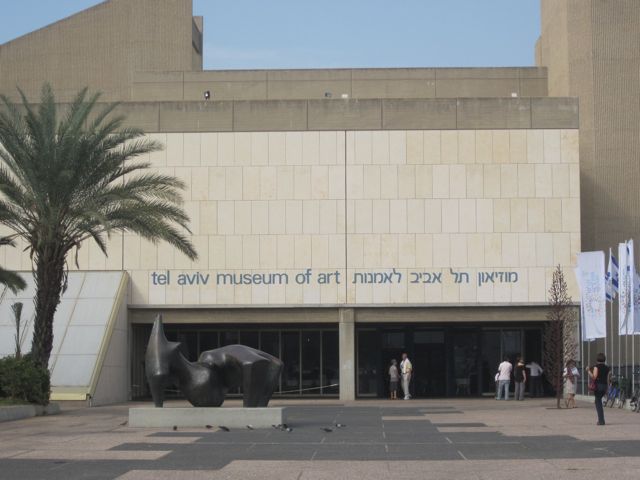
Art Museum and area:

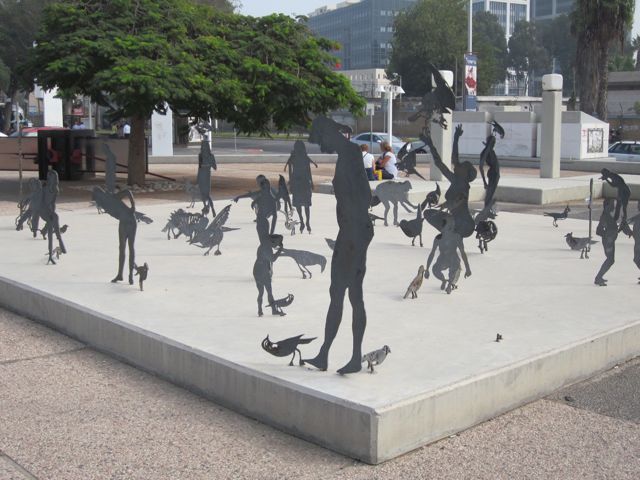
Etc:

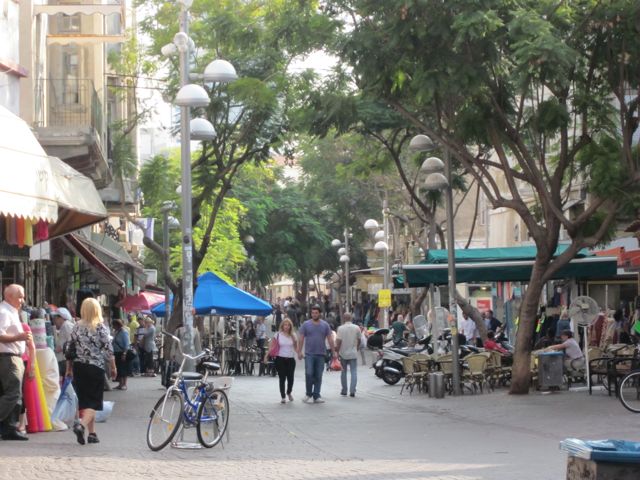
Pedestrian area Near Dizengoff Center,
the huge shopping mall in town

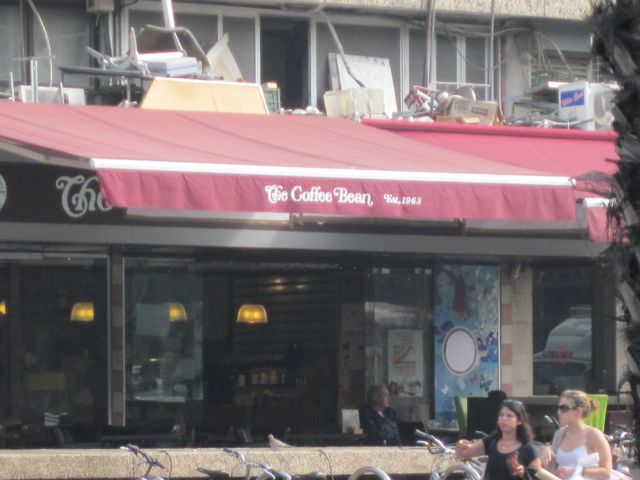
No Starbucks in Israel, but there is Coffee Bean!

jumpboobs.com

Neve Tzedek

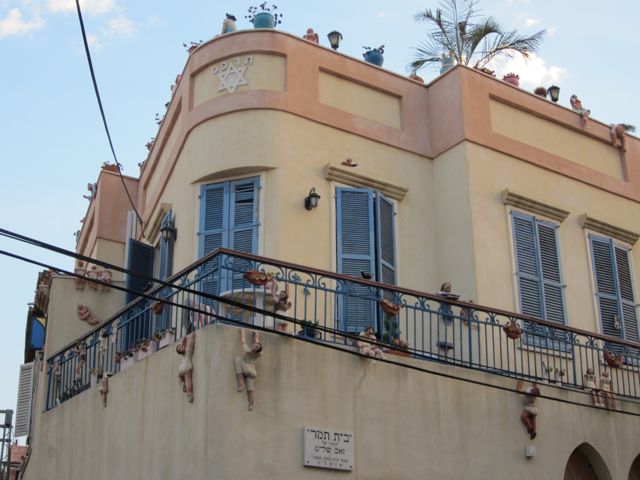
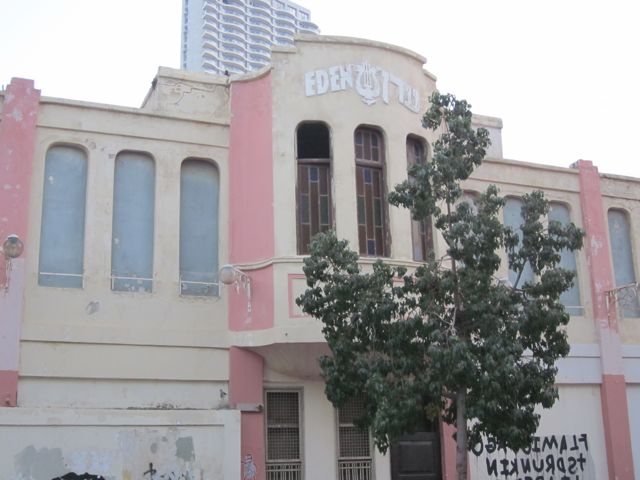
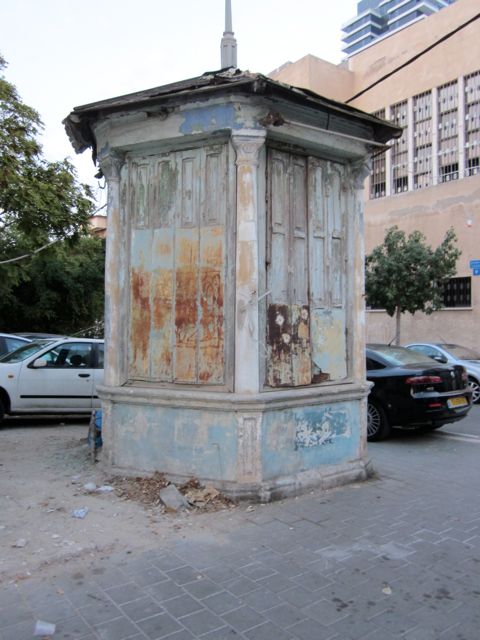
The first Jewish neighborhood built outside of Jaffa in the late 19th century is an area called Neve Tzedek.  While the buildings are not nearly as old, they certainly have stood the test of time.  It had become run down until about 30 years ago when renovations began to take place to restore the area to prominence.  In addition to historical buildings and homes, there are higher end shops, galleries and restaurants.  Definitely a must-see for any visit.

First cinema – Eden Theatre

Original kiosk

Jaffa

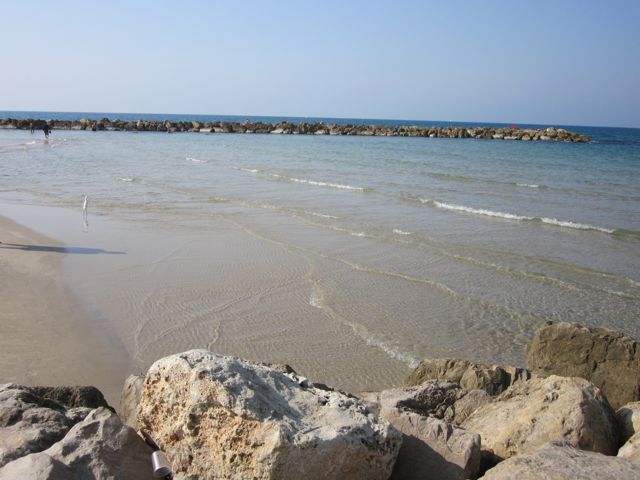
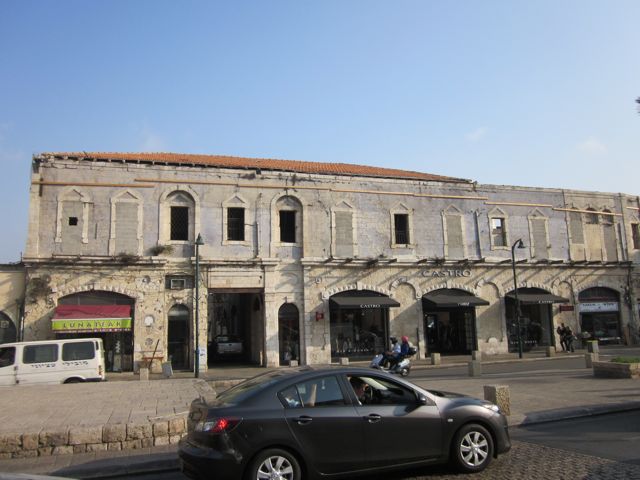
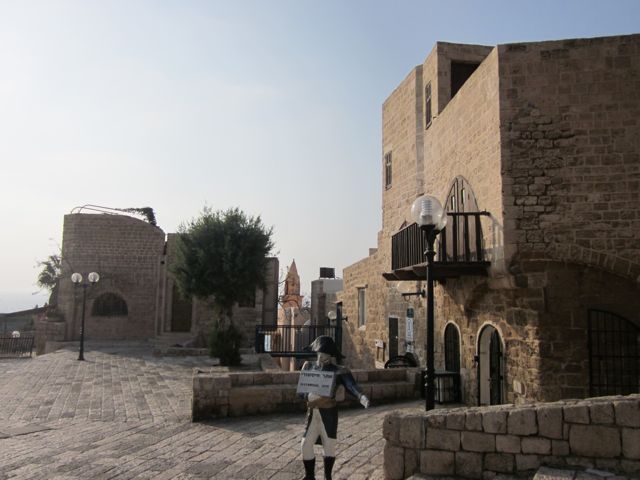
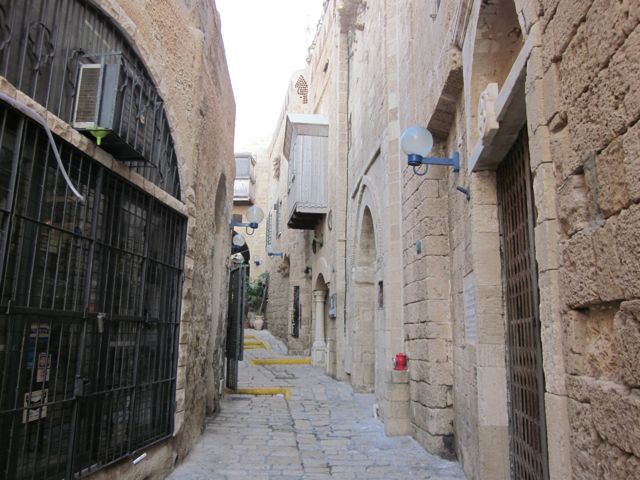
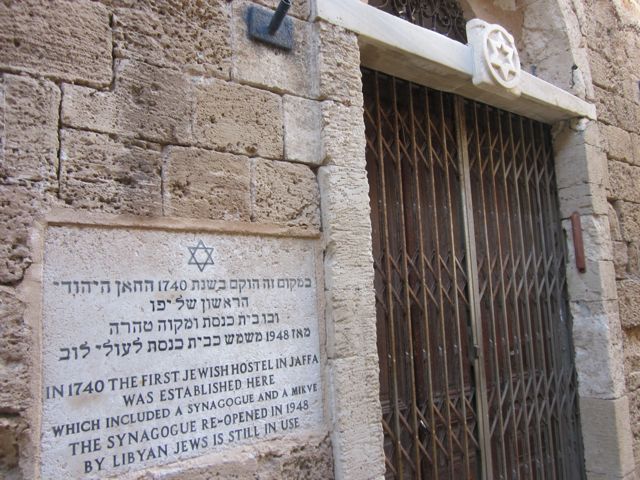
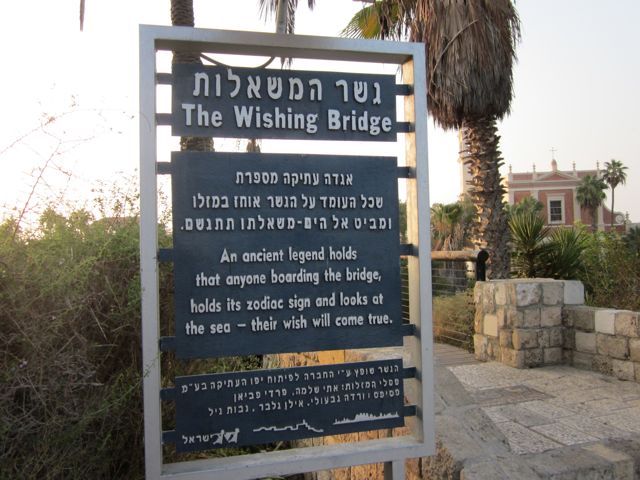
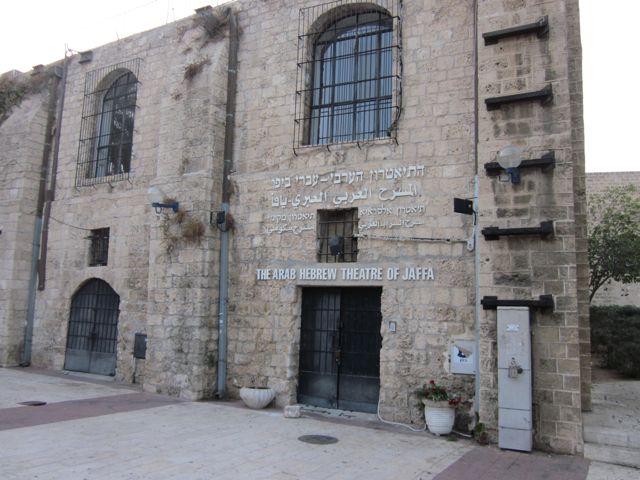
Without a doubt if there is one place not to be missed in Tel Aviv is the ancient port of Jaffa which dates back some 4000 years.  Ancient buildings are mixed in with retail and cafés, outdoor markets and a well-known flea market.  There are galleries along winding stone walkways that seem to go on and on despite it being a very small area geographically.  I walked along the Mediterranean (so I was in the water after all!) and spent most of the day in the area.

Jaffa in the distance

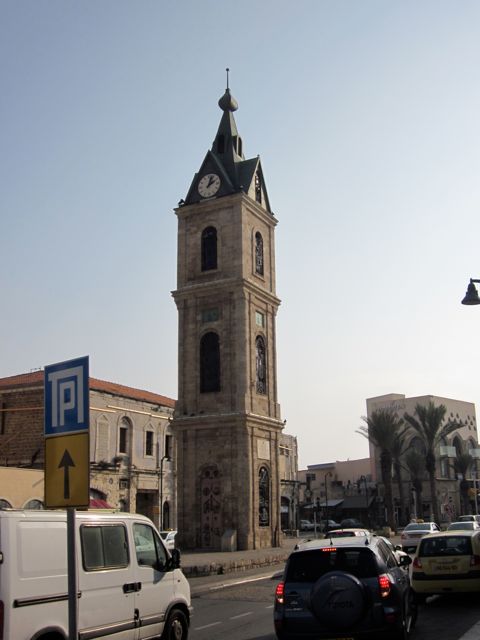
Jaffa Clock Tower

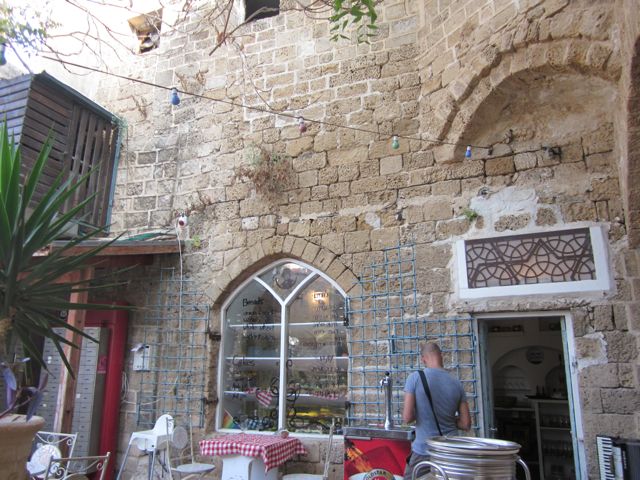
Had lunch here

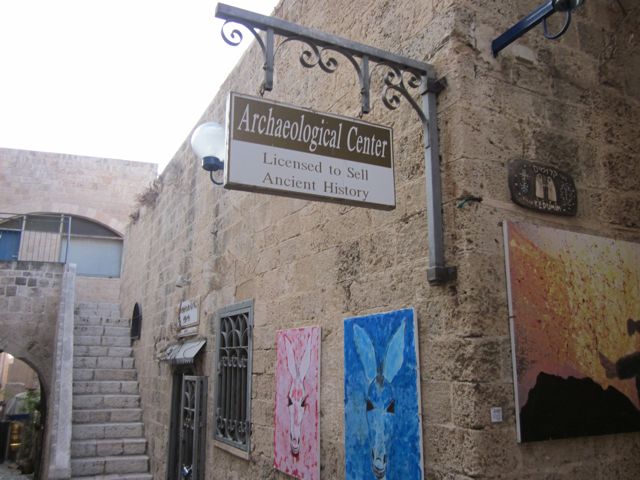
If you ever went to a museum and wondered where you could purchase antiquities, 
here’s the place.  They had items for purchase (certified by the Israeli government) 
dating back to hundreds of years BC.

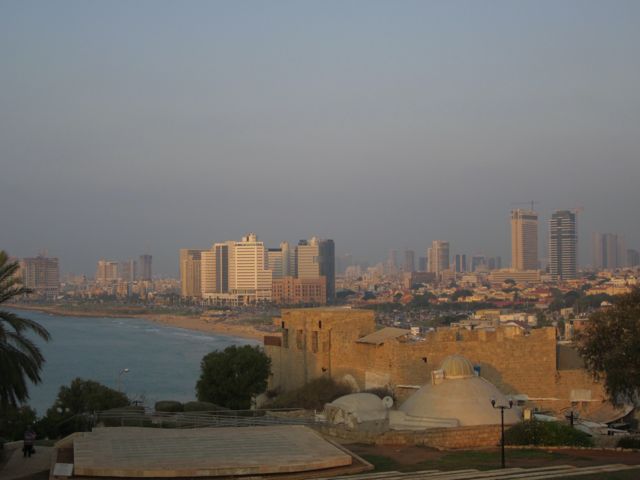
View of Tel Aviv from Jaffa

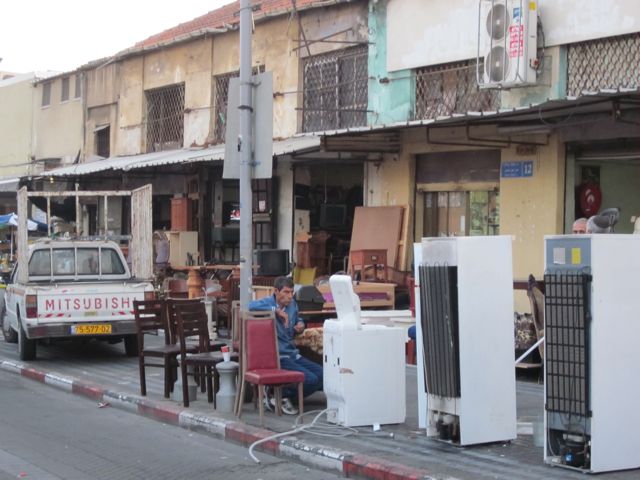
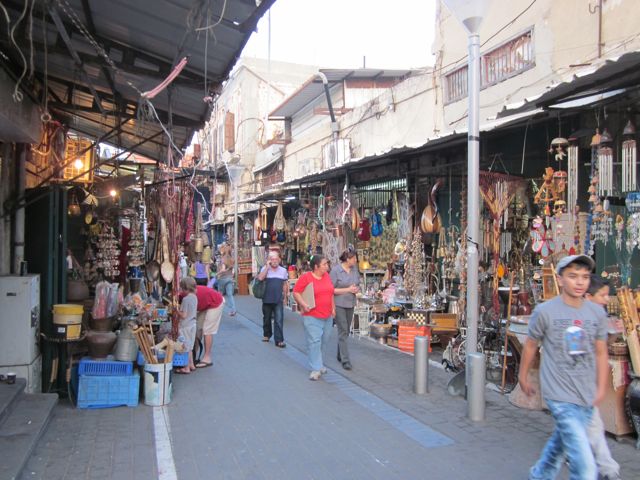
Flea Market

The River Jordan

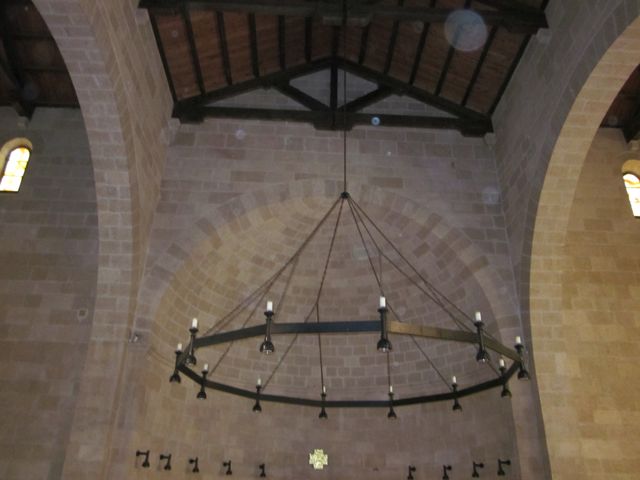
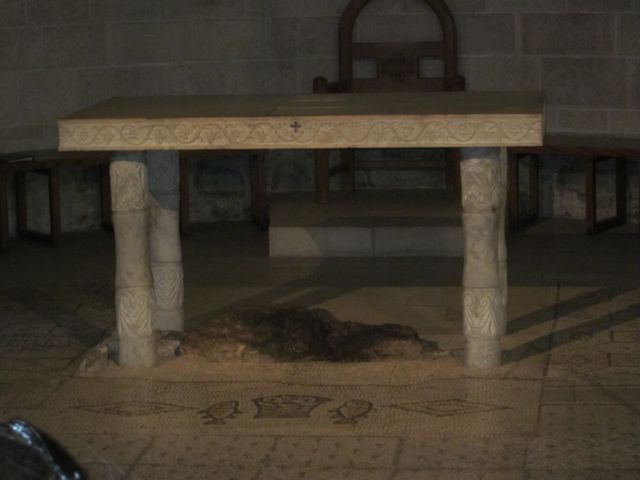
Next stop was Tabgha, the Byzantine monastery recently built when the site of the church of the Multiplication of the Loaves and Fishes was discovered, having been destroyed by the Persians in 614.  This original symbol of the Loaves and Fishes is still in the mosaic on the floor of the church.

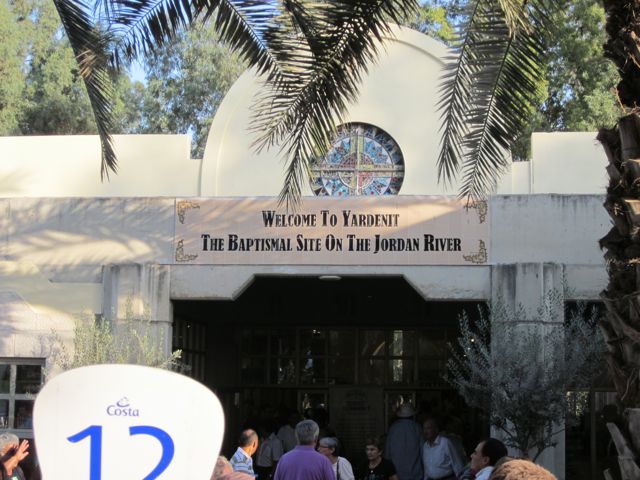
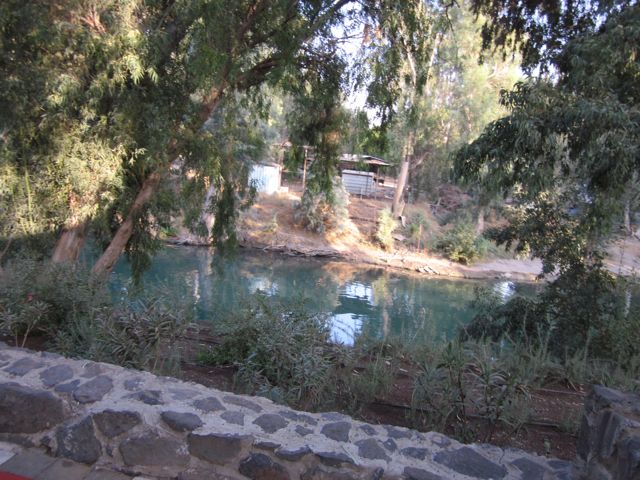
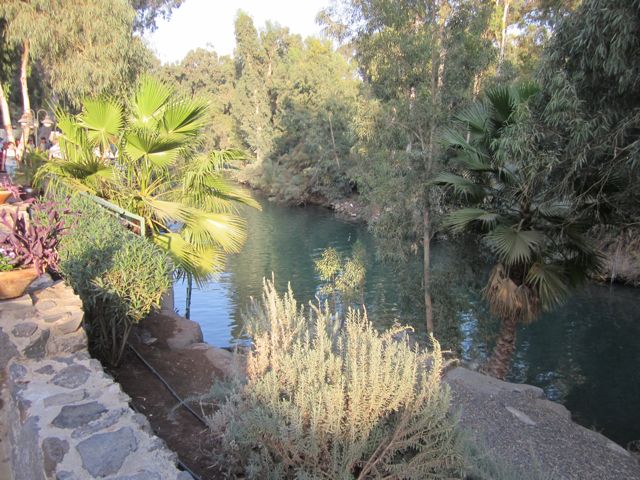
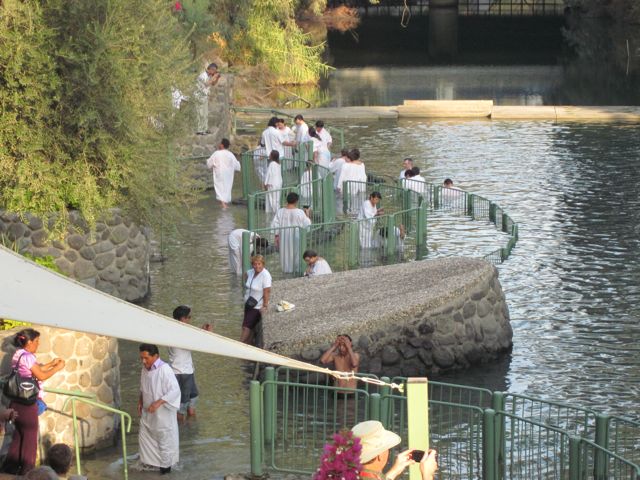
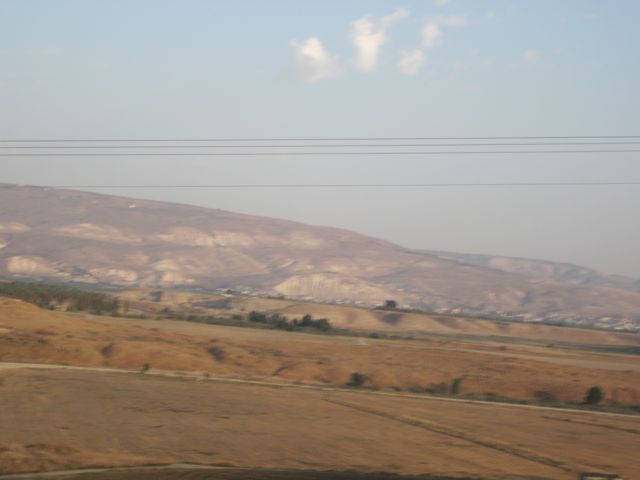
Then it was on to the final stop, the Yardenit on the Jordan river, where Jesus was baptized.  Pilgrims come the world over to be baptized in the river.  The river is beautiful, crisp and clear, with a bluish tint to the water.  Then it was back through the Jordan Valley along the West Bank where you could see small Jordan villages in the distance.

widestass.com

Where Jesus Walked

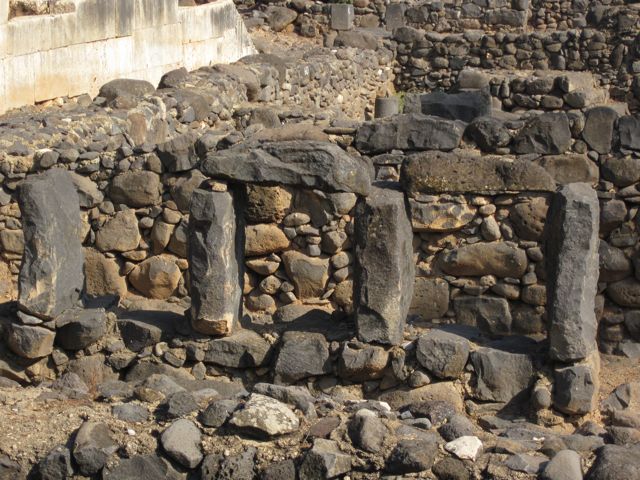
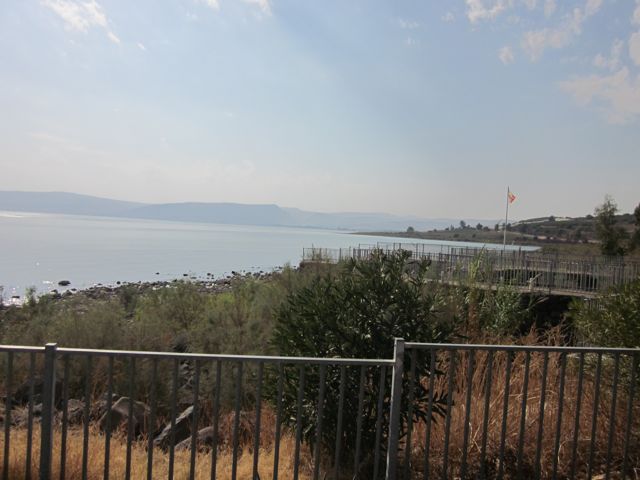
The next stop was Capharnaum, located in Galilee, and the remains of the old synagogue from the 4th century.  It was believed to have been built on top of the site of the synagogue where Jesus taught.  Next to it is another modern church, again built on another ancient site, the house of Saint Peter.  This is all set with the Sea of Galilee as a backdrop.  If you want to get a sense of the vulnerability of Israel to Syria prior to the six day war, you can get it here by seeing how close the Golan Heights (and formerly Syria) is before the capture of the territory.
Ancient Synagogue – menorah carved into stone pillar

Excavated Village in time of Jesus

Sea of Galilee

Jesus of Nazareth

I’ll admit my knowledge of biblical history is not as good as it should be, so what better way to brush up than to go to the source.  So I booked a day trip to Nazareth, Capharnaum, Galilee, and the Jordan River.  The first stop was Nazareth, which is more of a small city than the image the name conjures up when picturing Nazareth in Jesus’ time.

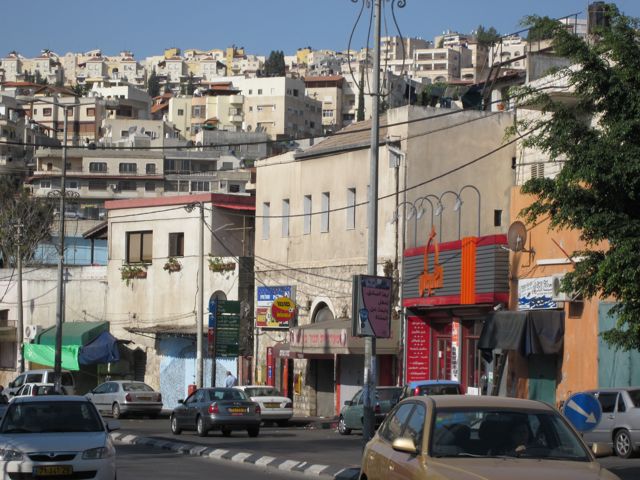
Nazareth

City View

Hmm…I’ll let the words speak for themselves
Hollywood’s influence is everywhere
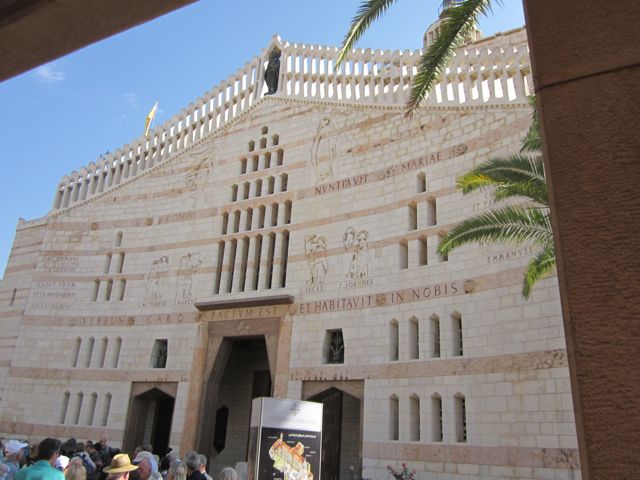
The largest church in the Middle East, the Church (or Basilica) of the Annunciation, is here.  It is a modern church built over the site where it was announced that the Virgin Mary would give birth to Jesus.

Surrounding the church are mosaics from countries around the world 
as their interpretation of the Madonna and child

Ancient site beneath church

Section of Nazareth from the time of Jesus
The Church of Saint Joseph is next to the Basilica which was built over the original house of Saint Joseph.  

Ritual Bath found under the new church

Create a website or blog at WordPress.com

Up ↑